With the British climate able to be termed ‘average’ at best, gardeners in the UK look for any help they can when it comes to growing fruit and vegetables. If, like me, your garden resides in the Peak District on the outskirts of Manchester, then this help is needed even more than usual!
Polytunnels offer a flexible and versatile space to grow fruit, vegetables and plants. Due to the build and construction, they tend to offer a greater height and more room than greenhouses, helping gardeners who are focused on yield and production – certainly of interest to those seeking a more self-sufficient lifestyle!
The majority of people use polytunnels to help them vegetables, with nearly 4 in 5 users growing potatoes, carrots, cauliflowers, lettuce, chard, onions, sprouts in their polytunnels. But polytunnels are also increasingly used by British gardeners to grow fruit such as strawberries, melons, tomatoes, peppers and squashes (yes, they are fruit!) amongst others.
Interestingly enough, 90% of British strawberries are grown in polytunnels, which allows us to extend the British season from early spring to late autumn. Polytunnels also make excellent environments for growing plants, with the added warmth helping gardeners to grow varieties that may otherwise struggle in the British climate.
Now, you may be thinking that polytunnels are vast constructions that exist in long rows on commercial growing properties. And while you’re right, it’s important to note that polytunnels are actually becoming more important to the everyday gardener. From 6 ft wide to a whopping 30ft wide(!), Premier Polytunnels supplies a wide range of polytunnels, catering for the commercial grower to the humble vegetable gardener.
So what is the benefit of a polytunnel to fans of the London Vegetable Garden? Firstly, they offer more room and height than many conventional greenhouses. They are affordable and high-quality and offer the flexibility that greenhouses cannot. A wide range of accessories, quality materials and workmanship ensure that gardeners can install a roomy polytunnel that fits in the garden nicely, giving shelter and storage for fruit, plants, vegetables and flowers all year round.
The following infographic highlights the different uses for polytunnels – we like the thought of housing sheep in there, too!
For more information and to explore polytunnels in more detail, please visit Premier Polytunnels today!
One man's mission to show England that anyone can grow vegetables, no matter how small the space they have to work with. Welcome to the London Vegetable Garden.
Wednesday, 27 May 2015
Tuesday, 5 May 2015
9 Steps To Prepare Your Garden For Summer
Summer is on its way at last, the sun has finally started to
shine and hopefully you have already started spending a little more time in the
garden. You may even have a BBQ planned (although don't forget to have a backup
plan!)
But have you started
to prepare your garden for the summer months?
Sure, summer is perhaps the easiest month for your garden,
everything is free to grow. But a little preparation will help you to make the
most of that beautiful garden that you have been fighting all winter to keep
alive!
Step 1: Start
with a spring clean
At this time of year your garden is probably a mess, unless
you are a truly dedicated gardener it has likely been left to itself for the
winter months, so now is the time to clear up. Start of course with any of your
own stuff that is lying around, tools, furniture etc...
And then you should also pick up fallen leaves, branches,
and any other debris that has fallen into the garden. A good tidy up will make
your garden look much more inviting so that you can enjoy it when the sun is
out.
Step 2:
Invite some birds in
Any time of year is a good time of year to start looking
after your local wild birds, but now is a particularly great time because if
you start now you should have a few regulars in time for Summer.
Once you have tidied up, think about where you can put a
bird feeder for maximum effect, and think about what you can feed the birds. Here
are some more tips for feeding local birds in your garden.
Step 3: Pull
out weeds
This is a time of year when weeds spring to life and just
keep growing. So now is a good time to pull them out. Use hand tools and try to
pull out the roots if possible, this will maximise the impact and minimise the
damage to the rest of the garden.
Only use weed killers if you absolutely have to, and be
aware of where you might want plants to grow. Be careful not to make your soil
toxic for more desirable plants.
Step 4: Summer
flowing bulbs
If you haven't already started planting, now is the perfect
time to plant some summer flowing plants. Try to find ones which are ok to
plant at this time of year and which will flower in time for summer.
Godetias are a nice colourful plant to sow in your garden in
time for summer, and here are a selection of
other options to sow right now in time for summer.
Step 5: Clean
your greenhouse
If you have a greenhouse, now is the ideal time to plant
perennials such as delphiniums to grow for next year. But it's a good idea to
give your greenhouse a clean first. Make sure you clean away any debris from
old plants, any mould and of course give the glass a good clean to ensure that
the sun can shine in.
Step 6: Install
a water butt
Collecting water instead of using tap water is a good way to
save money and is ecologically responsible. Plus rain water is often better for
your plants anyway since tap water tends to be slightly alkaline.
And besides, it's always good to have a backup in case a
hosepipe ban is put in place.
Step 7: Water
slowly
At this time of year it can be quite dry, and ensuring that
your plants have a constant supply of water will help them to thrive. Try to
set yourself a routine of watering the plants regularly to ensure that the soil
is deeply watered and doesn't dry out.
A constant cycle of drying out and then being flooded is not
optimal for most plants, so stick to a regular watering schedule to keep them
happy.
Step 8: Put
mulch around plants
Adding mulch around your plants is a good way to ensure that
they have plenty of nutrition and it's a great way to avoid removing valuable
nutrients from your garden. But there is another hidden benefit too.
Adding a top layer of mulch will protect the soil from
direct sunlight, which helps to keep moisture in and prevents the soil from
getting too warm.
Step 9: Easy
with the mowing
Finally, once your plants are all happily growing you will
want to ensure that your lawn is neatly trimmed and not too long. But don't
fall into the trap of overdoing it. Never cut more than half the length of the
grass off in one go.
Removing too much grass also removes a lot of water and
nutrition from the grass and leaves it vulnerable to being scorched by the sun.
For a health green lawn, mow regularly (although not too regularly) and trim a
little bit at a time.
Image credit: Wiki
Commons
Friday, 30 January 2015
Weatherproof Your Garden
It’s been a typically British winter so far – by which we mean unpredictable. Mild one minute followed by freezing conditions the next, it’s no wonder if your garden’s looking a bit shell-shocked. The idea of weatherproofing your garden might sound really difficult, but it’s just a case of using the right types of plants to last all seasons. The folks at Wonderlawn, who produce state-of-the-art artificial grass have designed this handy infographic which gives you 5 top tips for which plants will last throughout our changeable weather.
Monday, 19 January 2015
4 Affordable Ways to Give Your Garden a Makeover
Regardless of the size and location of a garden, there’s something calming about sitting back and putting the feet up in a well-maintained outdoor space that offers the opportunity for relaxation. Unfortunately, all gardens don’t offer this opportunity. Whether you consider yourself to be a green-fingered expert or a complete novice gardener, there are plenty of affordable ways that you can give your garden a makeover. Let’s explore 4 of them.
1. Tame the Plants
One of the easiest ways to improve the look of your garden is to tame the look of your plants and shrubs. The best thing about this tip is that it will not cost you an absolute thing only an afternoon in the sun, given you do it at the right time of year of course! Dead and unhealthy looking plants can completely bring down the look of your garden and leave the overall space looking neglected and unattractive.
If you have plants in your lawn that have outgrown their space but are still healthy, the best thing is to transplant them to an area that’s more conducive to their size. For overgrown bushes and plants, simply tame them using a hedge trimmers or clippers.
2. Add a Mini Raised Garden
If you don’t have space for a vegetable garden, or if your current one has being neglected, it might be time to consider adding a mini raised garden to your outdoor space.
Raised gardens are a great idea as their design makes them perfect for keeping weeds out and the soft, clean soil is ideal for vegetable growth as it is free of troublesome rocks and debris. The nutrient rich soil also makes themperfect for the growth of soft fruit plants which grow in the UK and a large variety of plants.
3. Build a Garden Border
Polishing off the look of your garden is important to its finished look, and a nice garden border is the perfect way to do just that. It’s not an expensive project to complete, as all you’ll need is some cement pieces or brinks to separate the garden beds and trees from the grass.
As well as making your garden appear neater and finished looking, garden borders help to prevent gravel and grass from entering your flower and vegetable beds.
4. Consider Creating a Pathway
Another very simple, yet effective, way of giving your garden a polished look is to create a pathway that leads from one end of the space to the other. For this project, there are all kinds of affordable materials that can be used, some of which include stones, wood and bricks. The type of material that you choose will determine what method you will have to use to lay down the pathway.
Instead of opting for a full path that leads from the front of the garden to the back, many people choose to use stepping stones as these can add a little more quirkiness to the design and layout of the area.
As you’ll have already gathered, updating the look, the practicality and functionality of your garden does not have to cost you an absolute fortune. All you need is the willingness to change the drab features of your current space and update them with some of the structures that are mentioned above.
Wednesday, 3 December 2014
Garden Fences: A Guide
Garden fencing can help to create a more private garden area. Fences come in all range of sizes and styles,
meaning budding gardeners can create a personalised environment that’s as
unique as their garden.
However, fences
are not just about building boundaries, but can add real character and style to
your garden. At the London Vegetable
Garden, I like to ‘compartmentalise’ my garden, using fencing to create different
areas to enjoy.
As an avid
vegetable grower, I like to have a dedicated vegetable ‘patch’ in my garden,
but I also like to plant flowers and shrubs to create a more visually-appealing
area; and a fence panel between these two areas helps to break up the space and
create ‘compartments’ in the garden.
However,
fencing can also be used to foster growth and create a ‘living fence’. Trellises create a framework for climbers to
grow up on and can become living, thriving fences that help separate garden
areas in a visually striking manner.
However, if
you just want something plain and stylish, there is a wide variety of
decorative fence panels that can create a unique atmosphere. Take a look at these decorative fence panels,
offering a wide range of styles and looks.
If you’re
looking to create more privacy in your garden, looking to separate different
areas, or simply looking for new fencing to make a statement, you’ll find
everything you need at Fence Supermarket.
Wednesday, 26 November 2014
Bringing the Outdoors Indoors: Plants in the Home at Christmas
Log fires, blankets, television and far too many chocolates and wine: at Christmas, it’s often easy to hunker down and hibernate, as we shut out the outside and focus on the warmth and comfort of life indoors. Yet bringing the outdoors inside can be a hugely rewarding and enjoyable feature of the home at Christmas too.
There can be no grander visible symbol of bringing the outdoors indoors than the traditional Christmas tree! But there are plenty of other subtle ways that you can bring the outdoors indoors, creating a subtle harmony through plants and flowers, whether as decorations, or gifts for loved ones.
Lavender makes a wonderful addition to the home, all year round. Based within the bedroom, lavender provides a wonderfully soothing aroma and calming effect. As well as helping to reduce headaches (perfect during a busy party season!), anxiety and even rheumatism when consumed in tea form, lavender can also help to lull you into a deep sleep when the plant is placed in the bedroom, making it the ideal plant for the bedroom, and a perfect present for friends and family.
Mistletoe grows on willow and apple trees, and it is a plant that has strong cultural connotations with Christmas. Why? It is supposed to possess mystical powers that bring good luck to the household, warding off evil spirits. In Norse mythology, it was also used as a sign of love and friendship; hence the Christmas custom of kissing under the Mistletoe. Whatever you use it for, it makes an aesthetically pleasing addition to the home at Christmas – perfect for bringing some festive cheer.
Herbs also make a great year-round addition to the home. Based in the kitchen, temperatures and conditions can fluctuate wildly, but herbs are hardy things and there is nothing better than picking fresh herbs to add to dishes, especially at Christmas, when leftovers are ripe for experimentation and flavouring. Kitchen herb gardens make a great present that any cook will love and cherish.
And finally, what about the humble holly? Added to conifer twigs, holly is traditionally used as a wreath to display on the front door, but you can create some wonderful centrepieces that last for the duration of Christmas and drape these on shelves, fireplaces or tables to bring some festive merriment into the home.
So there we have it: just a few simple ideas that show how bringing the outdoors, indoors this Christmas can help to both liven up your home, and make some great gift ideas for friends and family.
If you have any additional ideas, we’d love to see them! Comment on this post or visit the Facebook page.
In collaboration with Betta Living
Wednesday, 18 June 2014
How To Keep The Perfect Summer Garden
With what promises to be a ‘flaming June’ upon us, we can finally
enjoy our gardens. With the evenings getting longer, not to mention warmer, we
can turn towards colour and variety in our gardens - providing we know how to
look after them!
Good
vibes
A
survey reported in The Telegraph
has found gardening can help us feel renewed. Recent research carried out by the National
Gardens Scheme (NGS) showed that more than just shy of two-fifths (39%) of
those questioned said that being in a garden make them feel healthier, while 79%
think having access to a garden is needed to ensure good quality of life.
This can become increasingly helpful as we become older. The ritual
of planting out and caring for our gardens, window boxes or allotments can aid
these good feelings.
Summer gardens are usually at their best when flowers are in full bloom
– offering colourful and inspiring displays for all to see. This is why
property developers such as McCarthy & Stone pay close attention to their
landscaped gardens and ensure there is always a pleasant outdoors atmosphere
for their homeowners to enjoy - McCarthy & Stone properties
are listed on Zoopla
if you’re interested in seeing what they have to offer.
What
to grow?
This
Royal Horticultural Society article gives excellent tips on June
chores to make the best of our gardens throughout the summer. Different plants
can thrive in shade or sunshine so it’s important you understand the type of
garden you have before following these tips to keep the perfect summer garden:
Sunny
or south facing
Consider planting roses, honeysuckle, lavender and bedding plants
like marigolds and sunflowers. Hanging baskets brimming with lobelia or
trailing fuchsias are a summer must-have.
Shady
nooks or north facing
This
presents more of a challenge so opt for hostas, evergreens and plants which
offer interesting foliage as these thrive well in shady places. You could also consider
ferns, foxgloves, hedera, impatiens, begonias and the beloved arum lily.
Taking
care of your plants and flowers
Deciding what to grow in your summer garden is only half the battle
– you must also make every effort to care for your plants and flowers so that
they stay looking fresh and beautiful.
Our top tips for summer garden tending are:
- Water at cooler times – to avoid water being evaporated by the sun before it has time to do its job, water your plants in the evening when the sun’s glare is reduce
- Control pests – check for signs of pests such as slugs, snails and greenfly and use necessary repellents to protect your plants from harm
- Secure your plants – climbers such as sweet peas and trailing roses can benefit from being securely fixed to canes to keep them secure when there are strong winds
Sunday, 15 June 2014
Hozelock Reviews: Pico Reel and Wonderweeder
Be it balcony, patio, or small garden, the gardener who operates within compact spaces is constantly looking for ways to use space efficiently. For me, space has always been a premium, and while my beautiful Peak District garden is a world away from the limited confines of my Hackney balcony, I remain a gardener held accountable by space.
The transition from balcony to allotment to garden has allowed me to expand the plants, flowers and vegetables I can experiment with growing, but this journey has also eaten up more space as I amass more and more garden tools, equipment and machinery! That’s why I love solutions that are as compact as my garden, and Hozelock has come up trumps.
When I moved in, I inherited a cracked old watering can that does ‘a’ job. I’d often considered a hoze for the hot summer months, but found them to be too large to warrant a place in the garden. However, the Hozelock Pico Reel is the answer to my prayers.
A finalist in the RHS Chelsea Garden Product of the Year 2014 (high acclaim indeed), the Hozelock Pico Reel strikes the perfect balance between form and function. Its compact size and reel allows you to leave it by the tap, or roll it up and store it in your shed – perfect for gardeners with small plots, like myself.
In addition to the Pico Reel, I’ve also been experimenting with the Hozelock Wonderweeder. Every gardener knows that gardening is backbreaking work, especially when it comes to weeding patios, driveways and paths! However, help is at hand with the Wonderweeder.
Its unique design allows you to weed standing up (wonderful!), whilst the tool is refillable and also protects your plants thanks to the protective cone that sits around the nozzle. Again, its compact size means you can store it easily inside or out when you are done with it.
So there we have it: two great space-saving pieces of kit
from Hozelock that are helping me to keep the garden going without compromising
on space. Visit www.hozelock.com for more details!
The transition from balcony to allotment to garden has allowed me to expand the plants, flowers and vegetables I can experiment with growing, but this journey has also eaten up more space as I amass more and more garden tools, equipment and machinery! That’s why I love solutions that are as compact as my garden, and Hozelock has come up trumps.
When I moved in, I inherited a cracked old watering can that does ‘a’ job. I’d often considered a hoze for the hot summer months, but found them to be too large to warrant a place in the garden. However, the Hozelock Pico Reel is the answer to my prayers.
A finalist in the RHS Chelsea Garden Product of the Year 2014 (high acclaim indeed), the Hozelock Pico Reel strikes the perfect balance between form and function. Its compact size and reel allows you to leave it by the tap, or roll it up and store it in your shed – perfect for gardeners with small plots, like myself.
Lightweight, non-drip and compact, the hose still packs 10m
of length, allowing me to water my garden thoroughly, without compromising on
space.
In addition to the Pico Reel, I’ve also been experimenting with the Hozelock Wonderweeder. Every gardener knows that gardening is backbreaking work, especially when it comes to weeding patios, driveways and paths! However, help is at hand with the Wonderweeder.
Its unique design allows you to weed standing up (wonderful!), whilst the tool is refillable and also protects your plants thanks to the protective cone that sits around the nozzle. Again, its compact size means you can store it easily inside or out when you are done with it.
Nutscene Twine
One of the many things I love about gardening is its timeless appeal. While the years pass and trends change, gardening remains a simple, age-old pastime that connects us with the past and the very nature we live in.
One of the timeless tools I use is my grandfather’s old pocketknife. A constant companion, I enjoy the feeling of family history in my hand, the smooth shape and workmanship reassuring in my hand as I open bags of compost, dig weeds out of tight cracks in paths and cut all manner of strings, twine and ties.
And it’s twine, too, that is an oft-used companion in the garden. From lashing together my annual runner bean cane network to holding up fragile plant stems, there seems to be a hundred and one different ways that twine comes in handy in the garden.
I was thrilled to receive a selection of Nutscene twines in the post the other day. This great British brand heralds from Dundee, in Scotland, the birthplace of the jute industry. The brand dates back to 1922 and is derived from the company’s renowned Greentwist™ twine, which when tied around a plant cannot be seen, thus ‘not seen’!
I’ve long been a fan of Nutscene twine, not only because of the quality of the product and its many uses in the garden, but also because again, it holds an inherent link to the past: the twines are still produced on the original machinery that they were 92 years ago, operating out of a small mill yard in the heart of Angus, Scotland.
Whether you’re one of nature’s old romantics, like me, or simply appreciate high-quality and useful British garden tools, Nutscene Twine is a firm favourite of the London Vegetable Garden blog. Check out the website to discover a wide range of twines and garden tools: http://nutscene.com/.
Tuesday, 25 March 2014
Compost, Manure and Mulch: Prepare Your Soil This Spring!
What many budding vegetable gardeners fail to realise is that what you put into the ground is as important as what you get out of it! When I started vegetable garden, I often planted things in the ground and then wondered why things struggled to grow, when preparing your soil with a range of compost and nutrients is so vital.
It’s also important to use the right compost for your different gardening needs. When growing vegetables, I tend to use a good multi-purpose compost which not only retains and absorbs moisture, but also contains Vitalizer – an entirely natural long lasting growth booster for strong healthy plants with minimal feeding.
However, for growing flowers, an ericaceous compost is much more effective: it contains the perfect pH for lime-hating (acid loving) plants, while promoting strong root and flower growth.
Compost Direct is a great site where you can get a range of compost and soil delivered directly to your door. Compost Direct is the chosen compost suppliers of the National Allotment Society and has a range of great products and services on its site.
I love the fact that Compost Direct offers product samples, allowing you to decide which products are best for you before buying a bulk bag, as well as easy 24-hour ordering and quick delivery, typically within 3 days, leaving you free to get on with the gardening.
So as Spring finally arrives and we start preparing the garden ready for another season of vetegable growing, remember that investing some time and effort into soil preparation can reap huge dividends by the end of the summer.
Do you have any tips and advice for readers of the London Vegetable Garden blog? Let us know by adding a comment below!
It’s also important to use the right compost for your different gardening needs. When growing vegetables, I tend to use a good multi-purpose compost which not only retains and absorbs moisture, but also contains Vitalizer – an entirely natural long lasting growth booster for strong healthy plants with minimal feeding.
However, for growing flowers, an ericaceous compost is much more effective: it contains the perfect pH for lime-hating (acid loving) plants, while promoting strong root and flower growth.
Compost Direct is a great site where you can get a range of compost and soil delivered directly to your door. Compost Direct is the chosen compost suppliers of the National Allotment Society and has a range of great products and services on its site.
I love the fact that Compost Direct offers product samples, allowing you to decide which products are best for you before buying a bulk bag, as well as easy 24-hour ordering and quick delivery, typically within 3 days, leaving you free to get on with the gardening.
Do you have any tips and advice for readers of the London Vegetable Garden blog? Let us know by adding a comment below!
Tuesday, 14 January 2014
How to Grow Vegetables in a Small Garden
There’s nothing like growing and harvesting your own
vegetables. You can save a significant amount of money and get a lot of
personal satisfaction from raising crops in your own garden. It’s something
that the whole family can get involved in and the best thing is that even if
you only have a small garden to work with, you can get involved in home
growing. There are plenty of space saving varieties of vegetables and small
scale growing ideas that you can put to use. Read on for growing tips tailored
for small gardens.
What
Should You Grow?
Think about the type of vegetables that you’re most
interested in eating and focus on them. Asparagus, Brussels sprouts, celery and
maincrop potatoes take up a large amount of space so it’s worth avoiding these.
It’s advised that growers choose vegetables that are expensive to buy in shops
and taste best when they are at their freshest. Most legumes fall into this
category and good space savers include pole beans, bush beans, fava beans and
peas. Dwarf varieties are good for small containers and climbing beans utilize
vertical space.
Make
Your Own Containers
Making upright boxes out of wood that can be filled
with soil is an ingenious space-saving solution. Most seed packets will tell
you how much space the adult plant requires so you can plan ahead for this.
When constructing your wooden boxes, use well-maintained and high quality power
tools to get the best results, like those from Anglia
Tool Centre. You can also use old crates or cans if
you want to create a bohemian feel.
Time
and Space
Making Your Allotment Shine All Year Round
Now that the New Year is finally upon
us, millions of us up and down the country are scrambling around, looking for a
New Year’s resolution. One area that you should immediately look to for this
resolution is your allotment. Here is a guide to how you can make sure you use
your resolution to make your allotment usable all year round.
De-Weeding
To Aid Growth
Your
allotment needs continuous hoeing and de-weeding to stay in prime condition.
Although going out to de-weed in the depths of winter may not sound like an
appealing idea, it is one that’s entirely essential. To help aid the process
and make it less laborious in the future, you should consider planting
potatoes, pumpkins or courgettes as they actually smother weeds and hinder their
growth.
On the
other hand, you’ll need to make sure that small items such as carrots or peas
are away from areas with weeds, because they cast little shadow and are
vulnerable to being smothered by weeds. Items like these should instead be
grown in beds with plants as this will make the de-weeding process far simpler.
Surviving the Depths of Winter
Once
you’ve got the layout of your allotment sorted and started de-weeding, you’ll
have to consider how your allotment will cope in the depths of winter. Some
soil types (especially ones that are clay based) can be very hard to work
during the winter months, and waterlogged soil will lead to poor growth. To
solve these problems you can:
- Plant raised flower beds to enhance the drainage options
- Consider time. If you’re short, plant pears, peas and carrots that will give a heavy yield when they are sown late.
- Banish slugs by using replants. Slugs are everywhere in the wet season and it is vitally important that you deter them as best as possible if you want a good crop growth.
Surviving the Drought of Summer
Winter
and the wet months, however, are not the only struggle that you will have.
Despite being a popular time for gardening, the summer months can also prove
tricky, with constant maintenance required. If it is exceptionally dry, clay
based soils will work in your favour here, but sand based soils will dry out
incredibly quickly. Remember that you may have restrictions on water use, so
plan for every eventuality.
To avoid
a struggle, you need to plan accordingly. Have a look at long range weather
forecasts before deciding what to plant. Leafy salads and runner beans will
suffer on dry soils, so if it is going to be dry, choose more tolerant plants
like squash or pumpkins.
Finally,
to make sure that your allotment is usable all year round, make sure that you
have all the equipment immediately available at your disposal. A shed from
somewhere like Sheds and Things is a lifesaver for an allotment
that’s in use 365 days a year. Make sure you’re properly prepared.
Monday, 9 December 2013
Muck Boots: Perfect Winter Wear
Whether you’re sweeping up great swathes of wet leaves, digging up vegetable beds, turning soil or generally pottering about, the garden can be a messy place at this time of year, which is why solid footwear is so important.
Luckily for me, my friends at The Internet Gardener (www.internetgardener.co.uk) sent me a pair of Muck Boot Scrub boots to help me in the London Vegetable Garden over the autumn and winter months.
The first thing I have to mention about these boots is the fact that they are half-height, making them the perfect boot for garden work. Shoes can offer little protection from muddy, cold and wet garden conditions, while full-size wellington boots can often feel cumbersome for gardening tasks that require a lot of flexibility: these Scrub Muck Boots are comfortable and protective while allowing freedom of movement.
As with all other Muck Boots, this Scrub Boot is constructed in by creating a neoprene bootie complete with Airwick lining. The entire boot is then covered in natural rubber ensuring it is 100% waterproof. The ridged rubber sole will give grip without clogging up with mud as other wellies can, making it perfect for tramping through soil and undertaking gardening tasks such as digging, while it also provides a firm grip on patios and decking.
I have recently been standing in vegetable beds as I dig out old roots, and turn the soil, as well as wading through great piles of leaves while sweeping up garden debris, and these scrub boots kept me warm, dry and were very flexible and easy to work in, as well as being extremely comfortable.
These boots are available in sizes 4-12, and when ordering from The Internet Gardener, you can also order a boot jack in a variety of colours, as well as a stylish boot bag to keep your boots in. I highly recommend these muck boots, which have already become a key part of my gardening activities here at the London Vegetable Garden.
Visit The Internet Gardener for these muck boots, plus a whole host of superb gardening equipment!
Boot-Scrapers: Keeping the Outdoors, Outdoors!
Whether pottering about in the garden or rambling across the moorland of Derbyshire, I love nothing better than being outdoors. However, what I dislike is bringing the outdoors back inside with me!
Muddy walking boots, leaves, soil and all sorts of garden flora and fauna invariably end up being trampled inside my house, much to the chagrin of my wife. Luckily for me, the folks at the English Lamp Post Company have come up with the perfect solution for life here at the London Vegetable Garden.
Well known for their range of lampposts, the English Lamp Post Company is turning its expertise in superior cast iron to garden products, which of course, is very exciting news for gardeners! The company’s new boot-scrapers are the perfect solution for muddy boots: the boot-scraper and brush has been hand cast in iron and is finished in a satin midnight black, ensuring a quality product with a durable finish and stylish design.
The back door of my cottage now has a beautiful boot-scraper outside, ensuring that the muck and mess of a wet wintery garden is kept firmly outside.
In addition to boot-scrapers, the English Lamp Post Company also has a charming range of cast-iron post boxes, benches, hanging baskets, water features, urn planters and also a superb garden lighting range. Take a look today!
Birds and Bees: Bird Seed That Supports British Wildlife
The current plight of bees is a very topical, and indeed, critical, issue facing agriculture today. This is a global issue with huge ramifications for crops, food and ecosystems, yet it is also an issue that we can help to overcome at (forgive the pun) ‘grass roots’ level.
I was recently contacted by the lovely folks at Birds & Bees bird seed, a new ethical birdseed company from Marcus Waley Cohen (founder of Firefly Drinks) and Upton Estate Manager, Rob Allan (Countryside Farmer of the Year 2012).
Birds and Bees actually started life ten years ago as a project to create some space on their farm for wildlife. Back then, everyone was farming to the edge of every field; great for farming yields, but not so good for birds, bees and butterflies which had nowhere left to live.
Ten years later, Birds & Bees has over 150 acres of land dedicated to wildlife, home to thousands of species. Every year they make the farm better for wildlife, but they realised that to make a bigger difference they needed to encourage more people to look after birds and bees in their own gardens, and more farmers to farm in a wildlife friendly way. And with that, Birds and Bees was born.
They buy all of their British cereals from bird and bee friendly farmers and they have also dedicated to creating more habitats for wildlife - that's why they're planting one square foot of new wildflower meadow for every new customer who joins them this year.
I have already started using Birds & Bees in the London Vegetable Garden and I genuinely love the fact that not only does it help the many lovely birds in my garden (finches, nuthatches, blue tits, sparrows, robins) over the winter months, but the seed is produced in a way that is actively encouraging bees and wildlife back into British farmland and countryside – how good is that!
So please, if you’re looking for bird seed this winter, check out the great range of products over at http://www.birdsandbees.co.uk/. There are plenty of offers in the shop, plus you can also earn £5 for yourself and £5 for a friend – click here for more details.
Friday, 6 December 2013
Planning Ahead: The Perfect Place to Put Your Gardening Tools
It might be winter now, but that
means that spring is only around the corner, and with it comes fresh
opportunities for new garden projects to help fill your leisure time over the
coming year, and we think we have the perfect project. With house
sizes decreasing year-on-year, gardeners all around the UK are running out
of space to put their tools of the trade, so this year, why not make your
gardening project to design and build your own outdoor space to help store your
things. Here’s how we suggest your do
it.
The Right Spot
Here in the UK, we’re accustomed
to bad weather. Although it’s not generally enough to dampen our spirits and
prevent us from getting out into the garden, it can be detrimental to the
health of a shed or greenhouse. Wood can
get water-damaged and the wind can take a serious toll on a greenhouse, so
finding the perfect spot for your outdoor storage area is essential. Large trees or dense bushes make excellent
wind breakers, and if you’re building a shed, use a waterproof roof material to
prevent any serious deterioration or rot.
The Appropriate Materials
Although you might want to cover
your roof in slate tiles, they’re more expensive than a lino and are prone to
becoming unstuck in the wind. Therefore
you need to weigh up the pros and cons of every material you plan to use. If you’re making a greenhouse, you have less
to think about in this regard, but you might want to consider the ventilation
of you’re going to get out of your planned system – Do you need to drill any
holes in your glass sheets to allow your plants to breathe?
The Necessary Equipment
It’s ironic that you’ll need a
range of tools for your outdoor storage space – the very place you intent to
put them when the job is done.
Thankfully, the things you’ll need are generally inexpensive and can be
purchased from a place like Elcocks, so
you don’t need to travel to get everything you need for the job. As a minimum,
you’ll require:
- A hammer
- A hand saw
- A measuring tape
- Screwdrivers
Once you’ve gathered
your tools, picked the perfect spot, and thought about the appropriate
materials, you’re all set to go. Building your shed or greenhouse shouldn’t
take too long, and once it’s done you can sit back and admire your handiwork.
Wednesday, 27 November 2013
Things To Consider When Planning A New Garden
If you’re a keen gardener or you just love to sit out there on a warm summer day then there’s a good chance that you love gardening and garden design. If you’re new to it, or you have been doing it for a while and feel like you need some new inspiration and ideas for how to jazz things up a bit, then here are some ideas to get your creative juices flowing:
Think about a colour scheme
Before you start to buy flowers and plants, you should probably decide if you want your garden to follow a certain colour scheme or if you just simply want to plant some of your favourite things. If you love to garden but don’t have much time, then you could opt for flowers, trees, plants and shrubs that need less maintaining to keep them looking good and healthy like bulbs and conifers.
You should also think about the plants that are already in your garden and what use you can make of them within your new garden plan, especially if it is a house that you have only just moved into. Some gardeners recommend that you live in it for one full year before creating a new garden so that you are aware of everything it already has to offer over all four seasons.
Choose some nice, practical fencing
Getting a nice fence can be a good way to improve the overall look and feel of your garden. There a few things to think about when choosing the right one. You want something that looks nice, but something that is going to be practical and fit with the purpose of your garden. You might be using it to add privacy, or just for decoration.
There are many retailers, such as, Buy Fencing Direct, that sell all different kinds of fencing in a whole range of styles, and that will suit a whole range of needs.
Do you want to add any additional lighting?
Something else that you may want to add some lighting features in the garden so that you can still use it in the winter months or on summer nights for barbeques and parties.
Looking at some of the gardens that other people have created can be a good way of giving yourself some inspiration for when it comes to creating your own outdoor haven. Of course, how you design it will depend largely on what you are planning to use it for.
How A Pond Can Improve Your Garden
It could be said that gardening is about so much more than growing vegetables and flowers. A garden can also be a place for families to spend time together on long summer days, and also a great place to admire nature and wildlife.
Having a pond can be a good way to enhance your garden, and attract more animals to come and spend more time in it. While having a pond in your garden will hopefully improve the way it looks (and maybe impress those who live nearby), there are many more ways that installing one can help to enhance your garden space.
There are lots of places that you can buy pond equipment online, such as All Pond Solutions. Having one can attract lots of other species, such as dragon files and newts that would not be in your garden otherwise. This will give you the opportunity to see lots animals that you may not get to come face to face with if you never install one.
If you have children or a young family, a pond can be a great source of education when it comes to learning about fish, frogs, dragonflies and any of the other animals you may wish to have in your pond or that decided to bread there. Even if you don’t have children, you could also use it as an opportunity to learn about these types of wildlife for yourself.
In addition to this, if you have a water fountain or running water feature then that can help to drown out any of the unwanted noises that you can sometimes hear when you sit outside, such as the sound of traffic if you live near a busy road, or you neighbours’ dog that barks more than you would personally like.
Having a pond, and some of the animals that may come to live in it, can be a natural way of managing unwanted pests that may have.
Before installing a pond, take some time to think about some of the safety measure that you might install that will keep all of the humans, and also the animals and plants that go near it as safe from harm as possible. Have a think about the types of wildlife that you would like to attract before you dig your pond, as what animals arrive could depend on the size and shape of it and how they meet its needs.
Monday, 14 October 2013
The LVG Guide to: Essential Garden Tools
So here’s my guide to the beginner vegetable gardener’s essential
toolkit (all images are from the GardenXL website).
Trowel (balcony, patio, garden)
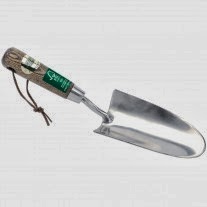
One of the true basics! A hand trowel is useful for all sorts of things and mine never
leaves my side. Whether it’s
transporting compost from bag to plant pot, planting plants out in the
vegetable patch or generally cleaning beds up, a trowel is essential kit,
whether you’re starting on a balcony, patio or in a garden.
Rake (garden)
When I had my allotment in Richmond, I only then realised the
importance of soil preparation. A decent
garden rake is an essential piece of kit if you want to prepare
soil, keeping it raked over and oxygenated nicely. Putting in the effort of soil preparation up
front will pay dividends in the long-run!
Spade and Fork (garden)
Some more essential kit for the garden vegetable-grower! A garden spade is a
useful tool to dig up and prepare soil in the garden, while the classic garden fork is vital to keep soil turned over and fresh. Stainless steel tools not only look nice, but
they also remain rust-free – perfect when gardening in damp conditions!
Pruning Shears (balcony, patio,
garden)
Finally, pruning shears are
a decent buy for the budding vegetable gardener. While these are traditionally employed for
pruning (hence the name!), my pruning shears come in useful for all manner of
things – cutting string, shopping bits of bushes and plants – anything that
needs cutting.
Thursday, 19 September 2013
These Boots Were Made For… Gardening!
As the cold
mornings and autumnal drizzle wash away all remnants of this year’s warm
summer, one could be forgiven for thinking that gardening activity has also
been packed up for the year, but nothing could be further from the truth! One of the things I love about being a
gardener is that there’s always something to do, whatever the season, or
weather: you just need to ensure that you have the right gear!
While summer
gardening is spent standing on firm turf and dry soil, the autumnal months of September,
October and November are often spent in
wet soil, muddy flower beds and tramping around in piles of wet and slipper
leaves, making the right gardening footwear essential.
Luckily, the
unisex Aigle Benyl wellington boots make gardening in the cold and wet a doddle. Hand-made in France by master craftsmen from
natural rubber, the Aigle Benyl is an excellent boot for general use. Its natural rubber upper keeps you dry, while
its polyamide knit, rot-proof washable and fast-drying lining keeps you warm.
So there
really are no excuses this autumn: as the old adage goes, there’s no such thing
as bad weather; just unsuitable clothing!
So make sure you’re prepared for an autumn and winter of gardening
duties this year with the Aigle Benyl wellington boot.
Subscribe to:
Posts (Atom)